Water pumps are one of those pieces of equipment that most people do not think about until something goes wrong. The pressure drops, the basement floods, the irrigation system stops delivering water to the far end of the paddock, or the heating system starts making noises it was not making last month. At that point, suddenly the question of which pump to buy becomes urgent, and urgent decisions are rarely the most informed ones. Understanding the different types of pumps available and what each one is actually designed to do takes the guesswork out of the process entirely.
Whether you are managing a home, running a farm, or maintaining an industrial facility, the fundamentals of pump selection come down to a handful of questions that, once answered, point you clearly toward the right solution.
Table of Contents
ToggleWhy the Type of Pump Matters More Than the Brand
It is tempting to approach pump buying the way most people approach appliance buying, pick a reputable brand, choose the right size, and assume it will do the job. With pumps, the type of pump is far more important than the brand because different designs work on entirely different mechanical principles and are suited to very different applications. Putting the wrong type of pump in the wrong situation produces poor performance at best and equipment failure at worst.
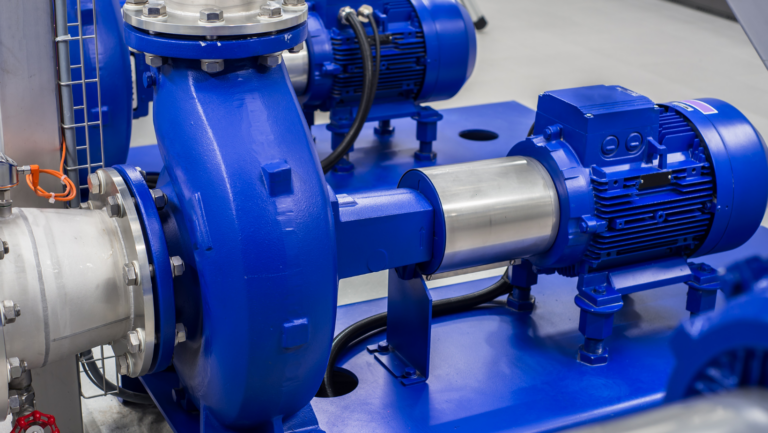
The two broad categories that cover most pump applications are centrifugal pumps and positive displacement pumps. Centrifugal pumps use a rotating impeller to impart velocity to water, which is then converted into pressure as the water exits through the outlet. They are excellent for moving large volumes of water at relatively low pressure and are the most common type found in residential and light commercial settings. Positive displacement pumps trap a fixed amount of fluid and force it through the system in a consistent flow regardless of the discharge pressure. They are better suited to applications requiring precise flow control or higher pressure with more viscous fluids.
Centrifugal Pumps and Where They Excel
For most straightforward water transfer and circulation applications, a centrifugal pump is the natural starting point. They are mechanically simpler, generally more affordable, easier to maintain, and available in a wide range of sizes to suit different flow requirements. Their efficiency is at its best when operating at or near their design flow rate, which makes matching the pump to the application important.
Within the centrifugal category, submersible variants deserve particular mention. Submersible water pumps are designed to operate while fully submerged, making them the right choice for wells, water tanks, flooded areas, and sump applications. Many models include a float switch that automatically activates the pump when water reaches a set level, which is particularly useful for basement drainage or rainwater harvesting systems where manual monitoring is not practical. The submerged operation also means these pumps run cooler and quieter than surface-mounted alternatives, and they do not require priming before use.
For applications away from mains power, such as remote farming properties, irrigation on large rural blocks, or emergency water removal in outdoor settings, petrol-powered water pumps offer a portable and self-contained solution. They deliver strong flow rates, handle both clean and mildly contaminated water depending on the model, and can be moved to wherever they are needed without any reliance on electrical infrastructure.
Matching the Pump to the Application
The single most useful habit to develop when selecting a pump is thinking clearly about what you are actually asking it to do before looking at any specifications. A few questions make this straightforward.
What type of water is being handled? Clean water pumps are designed for uncontaminated water and will clog or wear prematurely if used with water containing significant solids or debris. Dirty water pumps are built to handle water with suspended particles, making them appropriate for construction site drainage, sump applications, and anywhere that contaminated water needs to be removed. Using the right pump for the water type extends the life of the equipment considerably.
How much flow is required, and over what distance and elevation? Flow rate, typically measured in litres per minute, tells you how much water the pump can move. Head pressure tells you how high and how far it can push water. A pump with excellent flow at ground level may perform very poorly if it needs to push water up a significant elevation, and understanding both figures before purchasing prevents the common frustration of buying a pump that simply cannot do the job it was bought for.
What power source is available? Mains-powered electric pumps are the most convenient for permanent installations with reliable power access. DC pumps offer flexibility for solar-powered setups or battery-backed systems, which is increasingly relevant for off-grid properties and sustainable building applications. Petrol pumps, as mentioned, serve where no power source is available at all.
Pumps in Heating and Cooling Systems
One application area that often gets overlooked in general pump discussions is HVAC and central heating. Circulation pumps in these systems perform a different function from transfer or drainage pumps. Rather than moving large volumes of water over distance, they keep heated or cooled water moving consistently around a closed loop at low pressure and relatively low flow rates. The key specifications here are energy efficiency and quiet operation, since these pumps often run continuously and are located inside buildings. Magnetically coupled impeller pumps have become a popular choice for this application due to their low power consumption and largely maintenance-free operation.
For industrial applications involving process fluids, chemical handling, or systems requiring precise dosing and flow control, positive displacement designs including peristaltic and gear pumps become relevant. These are more specialised selections and generally warrant closer consultation with a technical supplier who understands both the fluid properties and the system requirements.
Where to Source Pumps With Confidence
For engineers, facilities managers, and technically minded buyers, sourcing pumps through a distributor with broad stock and reliable product information makes the selection process significantly easier. Suppliers like RS Online carry a wide range of water pumps across types and applications, with detailed specifications available for each product so that the technical matching process can be done properly before purchase. Brands like Xylem, RS PRO, and W Robinson and Sons cover most application requirements from light residential through to demanding industrial use.
Having access to accurate specifications, consistent stock availability, and the ability to order both pumps and associated accessories like check valves, flexible pipework, and fittings from a single source reduces both the time and the complexity involved in getting a water system set up or repaired correctly.
A Few Things Worth Checking Before You Buy
Beyond the core specifications, a few practical details are worth verifying before committing to any pump purchase. Check the IP rating, which indicates the level of protection against dust and water ingress. A pump intended for outdoor or submerged use needs an appropriate IP rating for that environment. Check the inlet and outlet connection sizes to ensure they are compatible with your existing pipework. And check the voltage requirements, particularly for DC pumps where the operating voltage range needs to match your power supply.
Pumps are not complicated to choose once you have a clear picture of the application. Taking ten minutes to think through the requirements before browsing specifications tends to produce far better outcomes than starting with the pump and working backwards to the problem.